
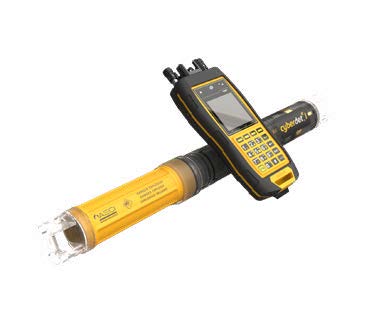
Description
Wireless Electronic Detonators — Secure, Programmable Initiation for Licensed Blasting
Wireless Electronic Detonators (WED) are advanced initiation devices that combine programmable timing with secure radio communication to support complex blast designs in mining, quarrying, and civil engineering. By removing wired constraints, WED systems offer faster setup, flexible sequencing, and improved site layout options—while maintaining a strong emphasis on safety, redundancy, and regulatory compliance. These systems are intended for use by trained, licensed personnel and are distributed through authorised channels only.
Product information
Wireless Electronic Detonator systems typically consist of detonator units, a secure wireless firing controller, and site-level diagnostic tools. Each detonator is manufactured to industrial quality standards and includes anti-interference measures, tamper detection, and self-test diagnostics to ensure system integrity. Distributors supply WEDs only to verified buyers who can demonstrate proper licensing and adherence to local explosives legislation.
Key safe-use principles
-
WEDs are regulated explosive initiation devices — procurement, storage, transport, and use must comply with national and international law.
-
Manufacturers and suppliers provide Safety Data Sheets (SDS), compliance certificates, and technical documentation only to authorised purchasers.
-
No operational, programming, or firing procedures are published publicly; system programming and firing are performed by licensed personnel following site-approved protocols.
Product technical specifications
| Parameter | High-level Description |
|---|---|
| Product type | Wireless Electronic Detonator (WED) system |
| Communication | Encrypted RF wireless protocol (anti-interference) |
| Timing control | Programmable millisecond delays (site-configured by licensed personnel) |
| Housing | Rugged weather-resistant material |
| Diagnostics | Integrated health and status reporting |
| Power | On-board battery with sealed housing |
| Packaging | UN/National regulatory-compliant containers |
| Applications | Mining, quarrying, civil demolition (licensed use) |
| Documentation | SDS, compliance certificates, transport docs (to verified buyers) |
How Wireless Electronic Detonators Fit into Modern Blasting Practice
WED systems empower blast designers and site engineers to build sophisticated delay patterns without physical cabling constraints—useful for challenging topographies and projects where wiring logistics increase time, cost, or safety risk. In licensed operations, wireless systems are selected for project speed, flexibility, and the ability to incorporate site diagnostics and redundancy checks that support safer, auditable blasting campaigns.
For an authoritative overview of international guidelines and safety frameworks relevant to explosive management, consult the International Ammunition Technical Guidelines resource here .
Technical Features & System Reliability
-
Programmable delays: Millisecond-level timing options allow complex sequencing (configured only by trained personnel).
-
Secure wireless link: Encrypted radio communication and anti-jamming features protect initiation commands (system-level security managed by authorised operators).
-
Diagnostics & health check: On-device self-tests and central status reporting identify faults and confirm readiness before authorised firing.
-
Redundancy: Systems include watchdogs and fail-safe behaviours to prevent unintended initiation (design and implementation by licensed operators and system providers).
-
Environmental resilience: Watertight, dustproof housings and corrosion-resistant components for field durability.
For practical engineering reviews and non-operational research on wireless initiation technologies, see technical literature here.
Applications & Benefits
-
Mining: Enables complex blast sequencing in large pits and irregular bench layouts without lengthy cabling.
-
Quarrying: Reduces setup time and labour costs while maintaining programmability for fragmentation control.
-
Civil demolition & infrastructure: Facilitates flexible placement for urban projects where wiring is impractical.
Benefits (non-actionable emphasis)
-
Faster setup and reduced surface traffic during deployment.
-
Flexibility in blast design and placement of initiation points.
-
Integrated diagnostics supporting audit trails and regulatory compliance.
Safety, Storage & Transport
WED units are stored in licensed explosive magazines and transported in UN-compliant packaging by authorised carriers. Suppliers require buyer verification, licence checks, and documented recipient credentials prior to fulfilling orders. Safety Data Sheets and compliance certificates are issued through secure channels to qualified purchasers only.
For international transport and dangerous goods guidance, refer to the UN Recommendations on the Transport of Dangerous Goods resource .
Quality Assurance & Manufacturer Support
Manufacturers implement strict quality control and traceability: component testing, device calibration, environmental exposure tests, and batch records. Authorised distributors provide verified documentation, end-user verification processes, and support for technical acceptance and audits (materials only released to authorised/licensed parties).
Environmental & Community Considerations
Used appropriately by licensed professionals, WED systems can reduce ground vibration and overbreak through precise sequencing, which supports better dust and flyrock management and improved community relations. Environmental monitoring and community engagement remain essential parts of any blasting program.
Supply Chain, Training & Technical Services
Suppliers typically offer: bulk logistics, customs and regulatory paperwork support, certified training for licensed personnel, blast design consultation, and post-blast analysis. Training and programming access are restricted to accredited operators and site safety officers; technical material (programming manuals, operating procedures) is not published in public marketing content.
Regulatory & Legal Framework
Wireless Electronic Detonators are regulated under national explosives acts and international frameworks covering manufacture, transport, storage, and use. Suppliers and operators must comply with local licensing requirements and global dangerous goods rules. Public marketing materials omit operational or programming details and instead emphasise compliance, certification, and safe procurement channels.
For best-practice standards and guidance on ammunition/explosives management, consult the International Ammunition Technical Guidelines (IATG)
Wireless Electronic Detonators offer modern blasting operations programmable flexibility, secure initiation, and integrated diagnostics — but they remain highly regulated devices intended for licensed professionals only. Suppliers provide compliance documentation, SDS, and technical support exclusively to verified buyers. If you are an authorised operator seeking detailed technical data, request documentation from an accredited supplier through secure verification channels.


Reviews
There are no reviews yet.